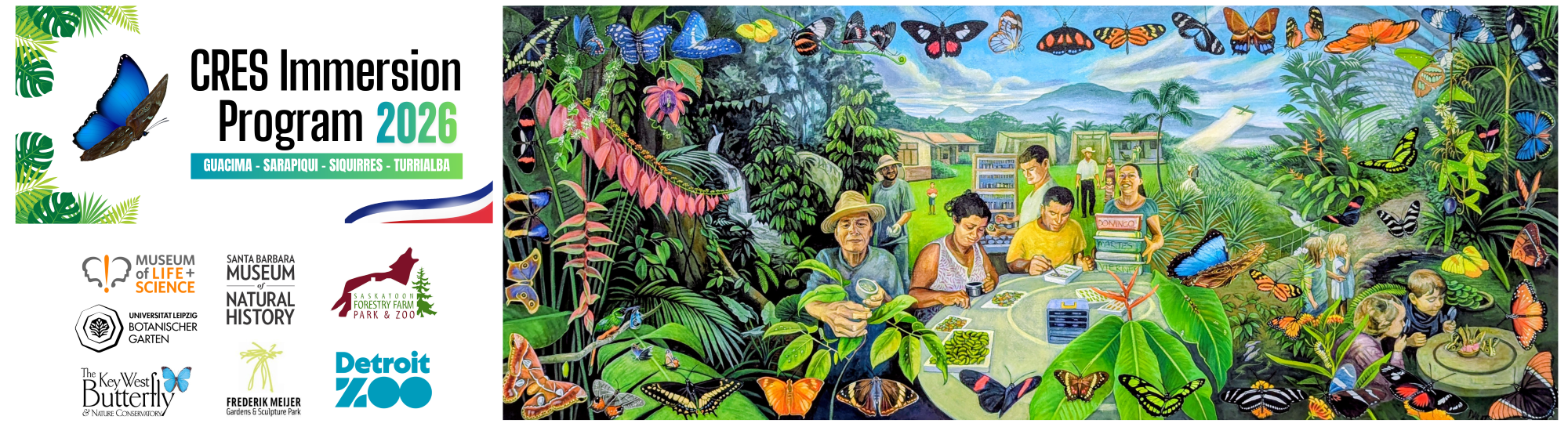
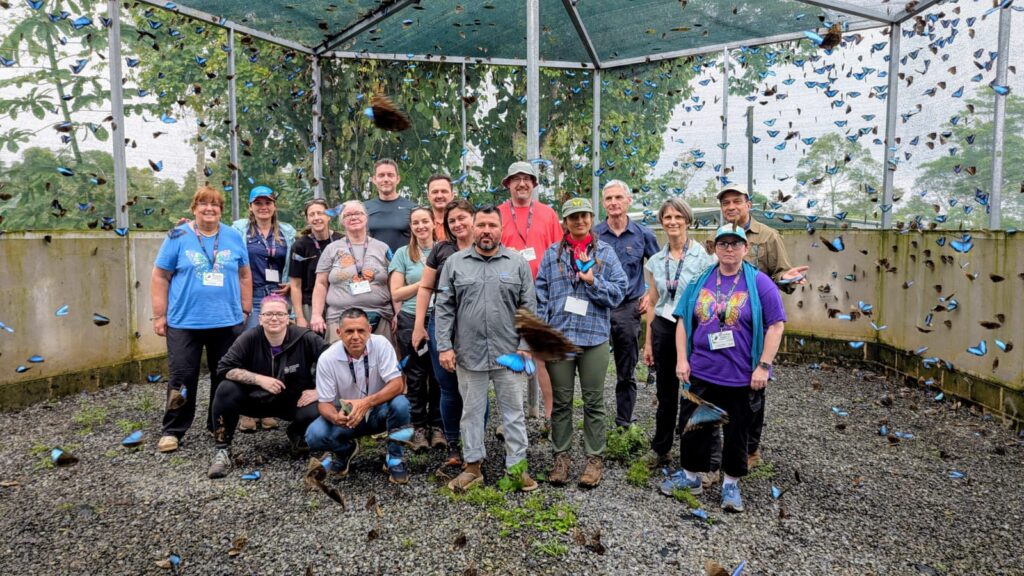
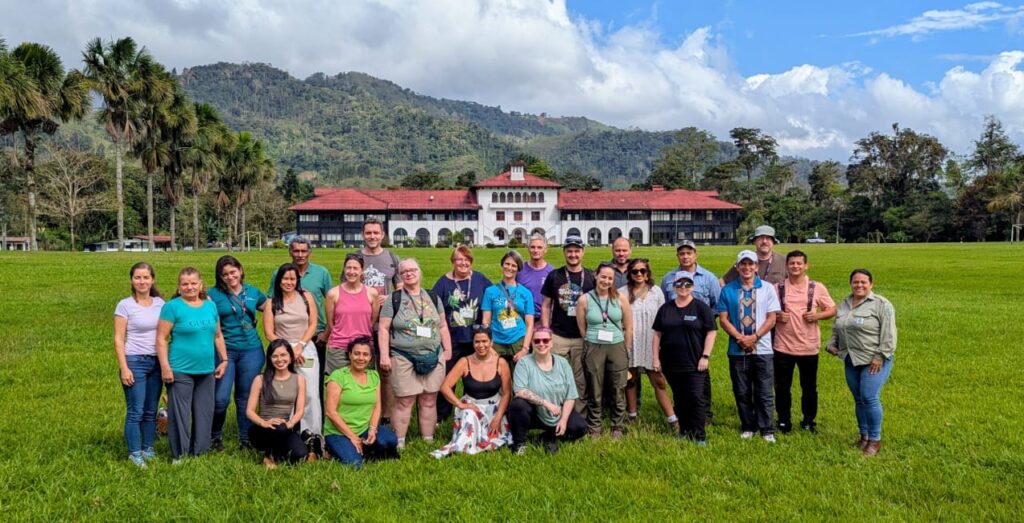
The CRES Immersion Program 2026, held from February 23 to 26 in Costa Rica, brought together a group of 12 butterfly exhibit professionals, partners, and collaborators for a unique hands-on experience at the heart of the butterfly farming, hosted by Costa Rica Entomological Supply (CRES).
Designed as an opportunity for learning, exchange, and connection, the program invited participants to step beyond the traditional supplier–client relationship and engage directly with the people, landscapes, and processes that make this industry possible
This initiative also marked an important moment in the evolution of CRES. After more than four decades working alongside rural communities and international clients, the program reflects a renewed commitment to transparency, shared learning, and long-term collaboration across the butterfly farming ecosystem.
Entering a Living System
Over the course of four days—along with an optional three-day extension—participants from butterfly gardens, zoos, and educational institutions explored the depth and complexity of Costa Rica’s butterfly farming ecosystem. The group represented a wide range of operational scales and geographic regions, creating a dynamic space for conversation, reflection, and shared insight.
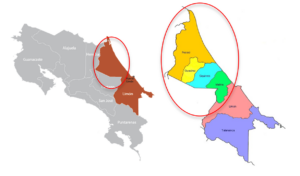
From the very beginning, the experience was built on direct, hands-on engagement: Visits to the CRES operations center and to small- and mid-scale butterfly farms across four key farming regions—Sarapiquí, Siquirres, Guácimo, and Turrialba—allowed participants to witness firsthand the intricate processes behind pupae production, from host plant cultivation and soil management to breeding cycles, pest control strategies, and the quality standards required for international export.
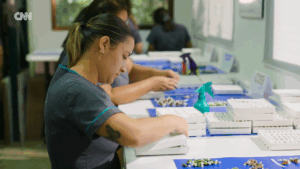
Day 1 began with a full-day visit to the CRES export facility during a regular shipping day. This experience allowed participants to observe the coordinated processes required to prepare butterfly pupae for international transport, while complying with the regulations that govern wildlife exports from Costa Rica. The visit highlighted the careful balance between operational efficiency, animal welfare, and regulatory compliance needed to ensure successful shipments.
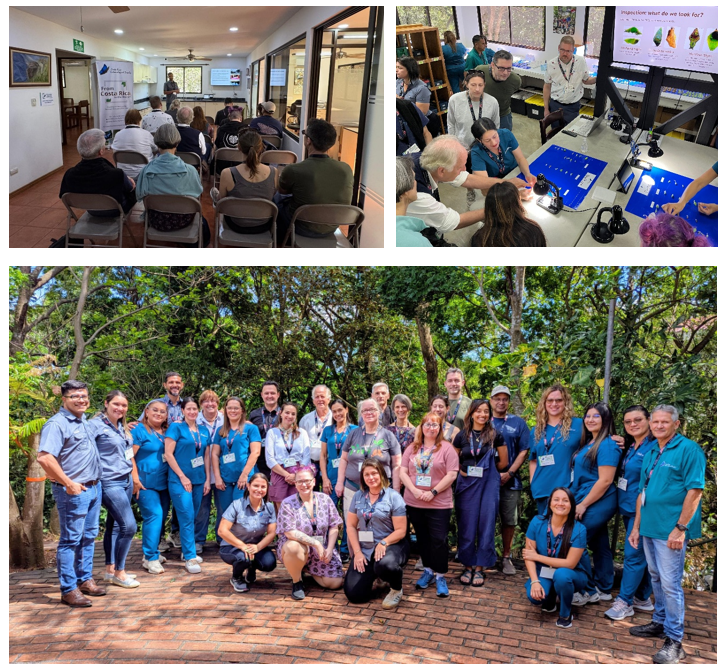
Day 2 continued at Pierella Ecological Garden, a butterfly farm with more than three decades of experience that is now evolving into a hub for learning and coordination within the network. Here, participants experienced firsthand the rearing methods used under the tropical conditions of the Sarapiquí region.
They also gained a deeper appreciation for the environmental realities that shape daily farm management—climate variability, plant health, parasitoid pressures, and the constant need to adapt rearing practices to changing ecological conditions.
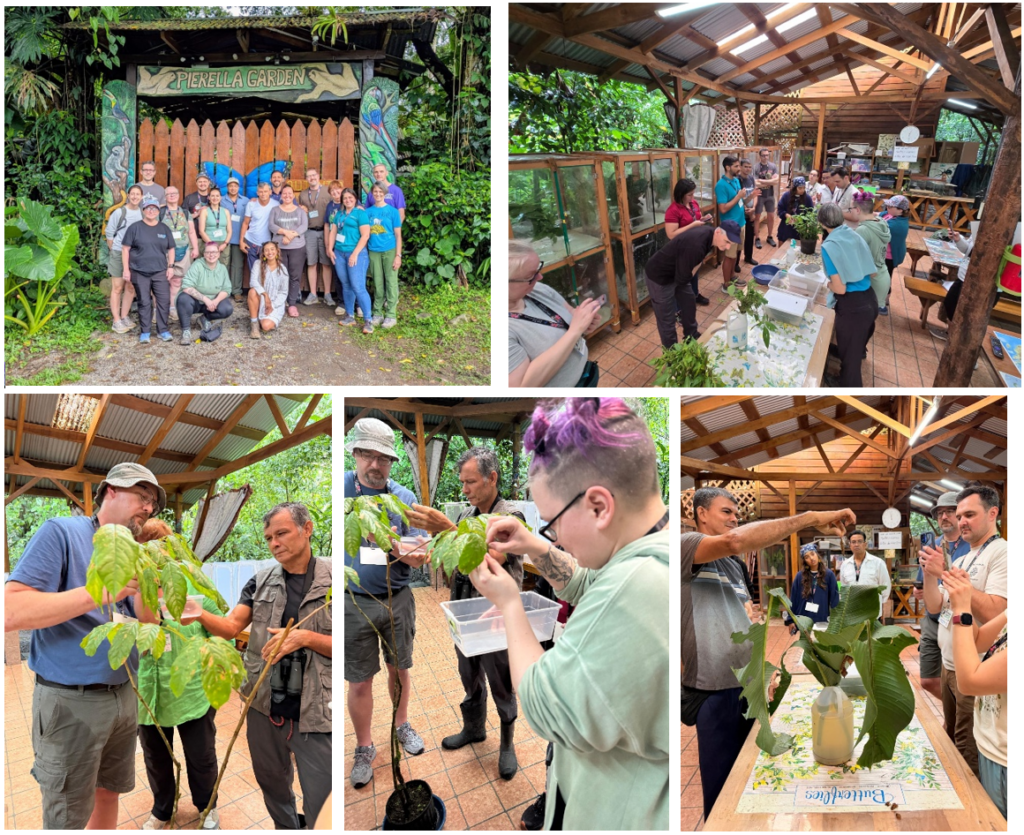
These visits revealed that butterfly farming is far from a standardized activity. Instead, it is a highly adaptive process shaped by local ecosystems, accumulated knowledge, and the availability of resources—requiring both precision and resilience at every stage.
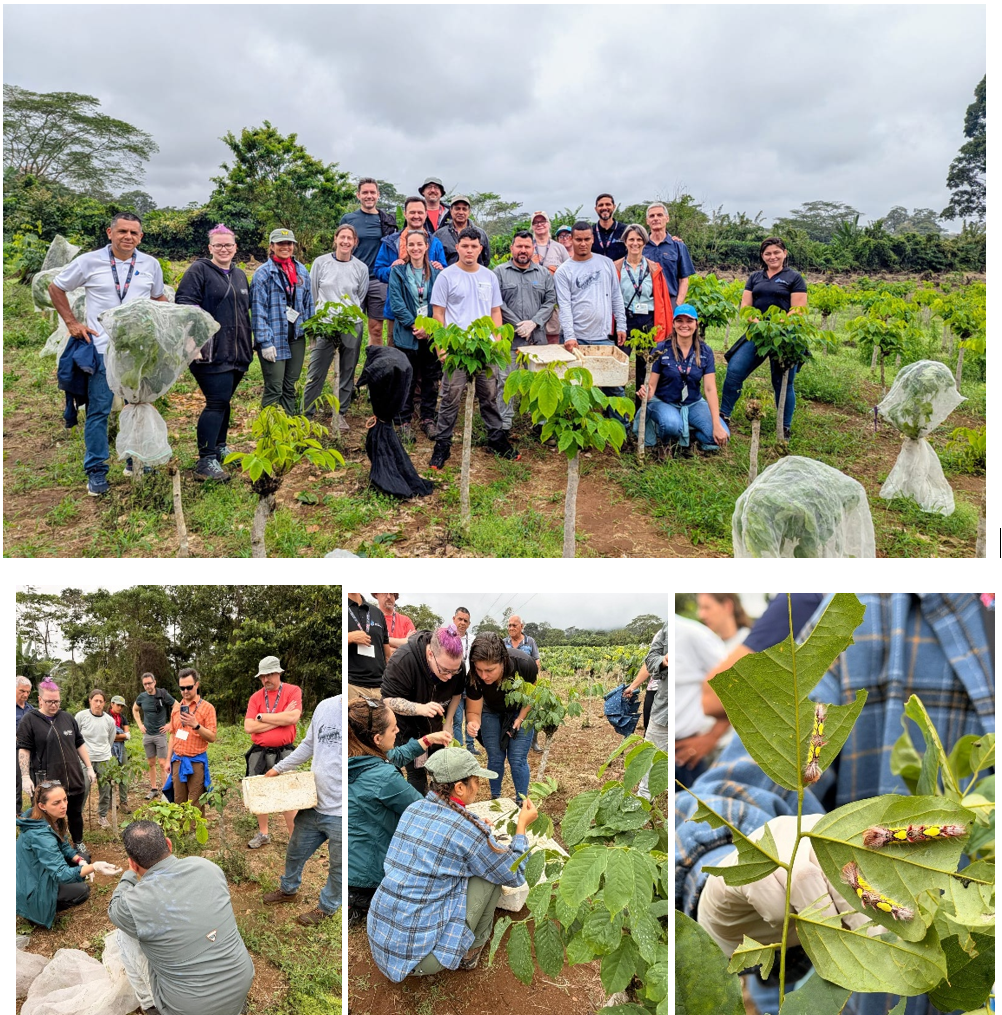
On Day 3, participants visited one of the three coordinated farms that support the regular supply of Blue Morpho butterflies within the CRES network. This visit opened an important discussion about what it takes to ensure a reliable and consistent supply of high-quality pupae for one of the most sought-after butterfly species in exhibits around the world.
The experience also highlighted how, as production scales increase, standardization and the application of scientific principles become essential at the farm level. Participants engaged in hands-on activities that revealed the level of precision, dexterity, and discipline required throughout the rearing process.
The Human Dimension Behind the System
A particularly meaningful stop in the journey was Mariposario El Laurel, a project located in Turrialba that reflects both the challenges and the potential of butterfly farming as a livelihood strategy. Built and sustained by three women, the farm stands as a powerful example of how commitment, care, and connection to family land can create new opportunities for future generations.
Located in the rural community of San Pablo de Turrialba, the farm demonstrates how small-scale butterfly farming can support income generation while reinforcing conservation values and environmental awareness.
Participants engaged directly with the women behind the project, gaining insight into their day-to-day realities, the constraints they face, and the pride they take in sustaining their work.
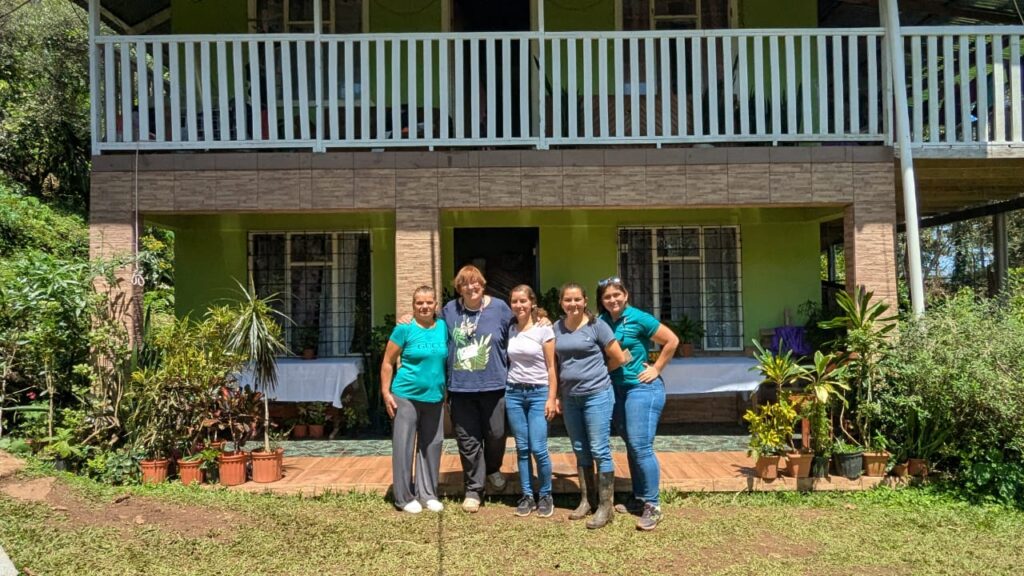
Gerlinde Blaese, Ily Cascante sharing with Gabi, Dunnia and Doña Guiselle, the 3 women leading Mariposario El Laurel
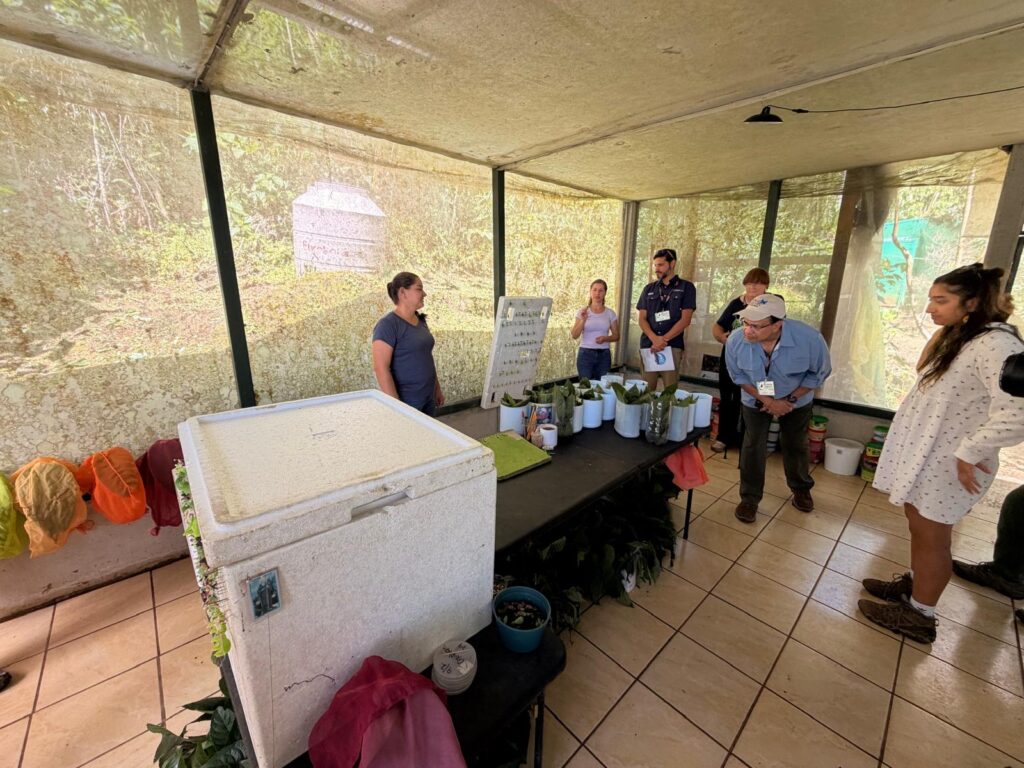
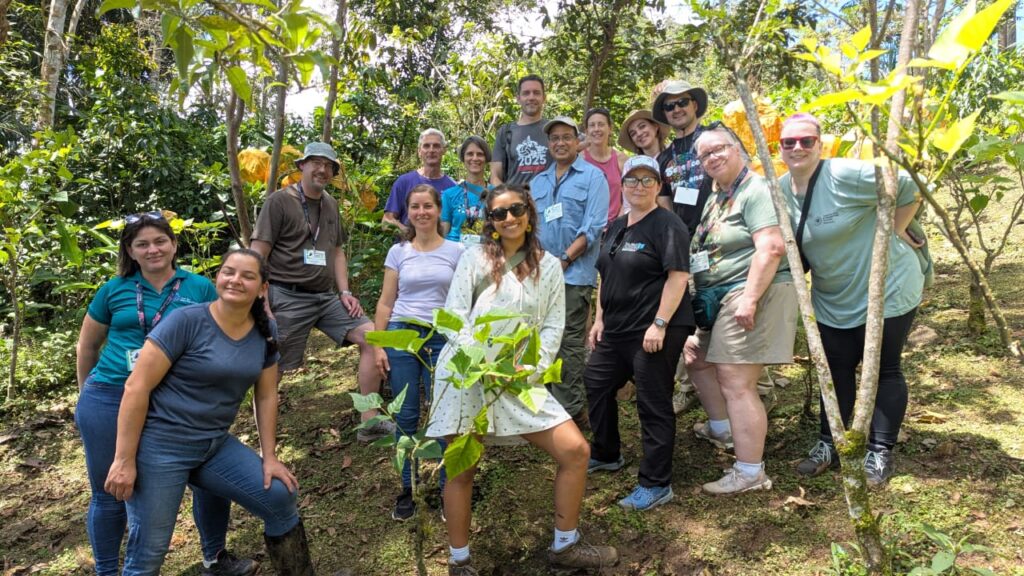
Encounters like this grounded the experience in a human dimension that is often invisible within global supply chains. What might otherwise be perceived simply as a product was redefined as the result of daily effort, accumulated knowledge, and long-term commitment.
To close the four-day program, a lunch gathering was organized with breeders from the Turrialba region. This created a valuable opportunity for farmers to meet CRES’ customers in person and engage in open conversations—strengthening relationships and fostering mutual understanding across the network.
A Continuing Journey
Ultimately, the CRES Immersion Program demonstrated that butterfly farming is far more than a supply chain—it is a living system sustained by people, landscapes, and shared commitment.
By bringing together breeders and exhibit professionals in the same space, the program helped bridge the distance that often separates production from exhibition. Participants left with a deeper understanding not only of the technical processes behind butterfly rearing, but also of the human stories and environmental realities that make this work possible.
For CRES, the Immersion Program represents the beginning of a new chapter—one focused on strengthening collaboration, expanding knowledge exchange, and supporting the resilience of the butterfly farming network in Costa Rica.
As the global demand for educational and conservation-based butterfly exhibits continues to grow, initiatives like this help ensure that the industry evolves with a deeper sense of responsibility, transparency, and shared purpose.
In the end, every butterfly displayed in an exhibit carries with it a story—one that begins in the forests and farms of Costa Rica, shaped by the dedication of families who continue to believe that conservation, livelihoods, and inspiration can grow together.
If you are interested in experiencing a future Immersion Program, we invite you to connect with Sergio Siles, Commercial Manager at CRES, at sergio@butterflyfarm.co.cr.